
 español
  English
 français
 русский
 italiano
 português
 العربية
 日本語
日本語 한국의
한국의 magyar



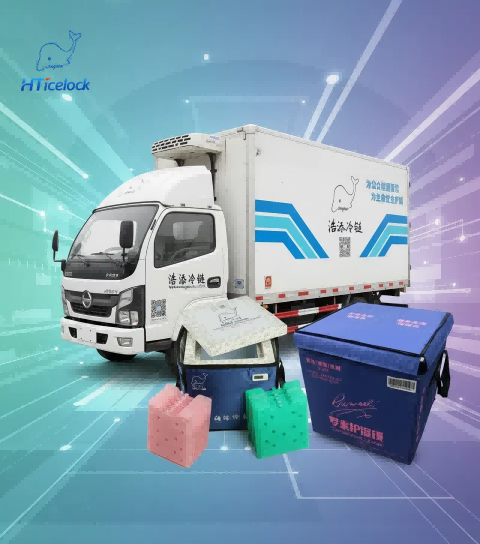
The cold-chain logistics sector is entering a phase of accelerated modernization in 2025, supported by rising demand, technology adoption, and policy reinforcement. China’s temperature-controlled logistics volume reached 365 million tonnes in 2024, with industry revenue climbing to 536.1 billion yuan, reflecting steady structural expansion. Recent government directives for 2025 further emphasize reducing logistics costs, strengthening cross-border cold-chain capacity, and upgrading overseas warehousing networks.
Industry players are rapidly integrating automation, AI, and energy-efficient systems into their operations. Automated cold-storage facilities, IoT-enabled temperature tracking, and predictive analytics are now foundational tools for boosting reliability and controlling operational expenditure. Leading operators are deploying AI models to forecast inventory demand, optimize routing, and improve warehouse allocation.
Pharmaceutical logistics continues to be a key growth driver. The rising volume of biologics, mRNA therapies, and cell-based products is accelerating investment in ultra-low-temperature equipment and compliance-grade monitoring systems. Strategic consolidation is also reshaping the sector, illustrated by DHL’s acquisition of CryoPDP to scale global life-science cold-chain capabilities.
Sustainability remains a central priority. Companies are adopting phase-change materials, recyclable insulation, and high-efficiency refrigeration technologies, while exploring heat-recovery solutions to reduce energy intensity.
Overall, the cold-chain industry in 2025 is shifting from traditional temperature control to tech-driven, sustainability-oriented infrastructure, positioning itself as an essential pillar of global food security and healthcare logistics.

 red ipv6 compatible